If you’re a small business owner in Dunoon, Cowal, or Helensburgh, you’ve probably wondered:
“Should I stay a sole trader or form a limited company?”
As a Dunoon accountant working with local businesses every day, I can tell you this:
When your profits reach around £40,000, it’s time to think seriously about running as a limited company. Here’s why—and how it affects your tax bill.
How You’re Taxed as a Sole Trader
As a sole trader, everything your business earns is treated as personal income. That’s simple and works fine when you’re starting out.
With £40,000 profit (2025/26 tax year, Scotland):
- Personal Allowance: £12,570 tax-free
- Starter Rate (19%): £2,162 taxed = £411
- Basic Rate (20%): £11,829 taxed = £2,366
- Intermediate Rate (21%): £13,439 taxed = £2,822
- Class 4 National Insurance: 6% on £27,430 = £1,646
✅ Total tax and NIC: £7,245
✅ Take-home: £32,755
Straightforward—but as profits rise, you pay more tax and have fewer ways to manage it.
Limited Company: Smarter Tax Planning
Running a limited company gives you more flexibility and control over your tax. You’re both a director and a shareholder, meaning you can take a salary and dividends in a way that keeps more of your money.
Here’s the same £40,000 profit, but as a limited company.
Step 1: Director’s Salary
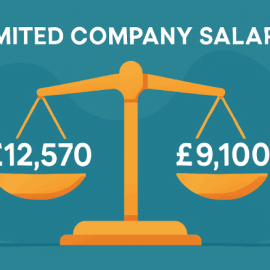
- Pay yourself £12,570
- Uses your full Personal Allowance → no income tax
- Small Employer NIC due: (£12,570 – £9,100) × 13.8% = £479
- Employee NIC = £0
Step 2: Corporation Tax
- Profit after salary = £27,430
- Corporation tax = 19% × £27,430 = £5,211
Step 3: Dividends
- Post-tax profit = £22,219
- First £500 tax-free
- Remaining £21,719 taxed at 8.75% = £1,899
✅ Limited Company Take-home: £32,890
That’s slightly ahead of a sole trader now—and the benefit grows as your profits increase.
Why £40,000 Profit Is the Turning Point
At this profit level, your business is established and growing. Staying a sole trader keeps things simple, but forming a limited company offers:
- Lower combined tax: As profits rise, the savings become significant.
- Reinvestment flexibility: Leave profits in the company for future growth, avoiding immediate personal tax.
- Professional credibility: Limited companies often attract bigger clients and opportunities.
- Personal protection: Limited liability shields your personal assets from business risks.
Benefits of Going Limited (Dunoon & Cowal)
- Tax savings accelerate: Once profits exceed £50,000, the difference in take-home pay widens in favour of a company.
- Plan your income: Mix salary and dividends to manage tax efficiently each year.
- Build a future: A company makes it easier to bring in partners, sell your business, or hand it down to family.
- Protect your wealth: If things ever go wrong, your personal finances are protected.
Local Advice from Your Dunoon Accountant
I’ve helped many small business owners in Dunoon and across Cowal make the switch to a limited company. Nearly all of them say:
“I wish I’d done this sooner.”
It’s not just about tax—it’s about building a stronger, more resilient business that supports you and your family for years to come.
If you’re around that £40,000 profit mark and you want to know how much better off you’d be with a limited company, let’s sit down and run the numbers together.
👉 Contact Cowal Accountants – Your local Dunoon accountant, helping small businesses keep more of their hard-earned money and plan for long-term success.